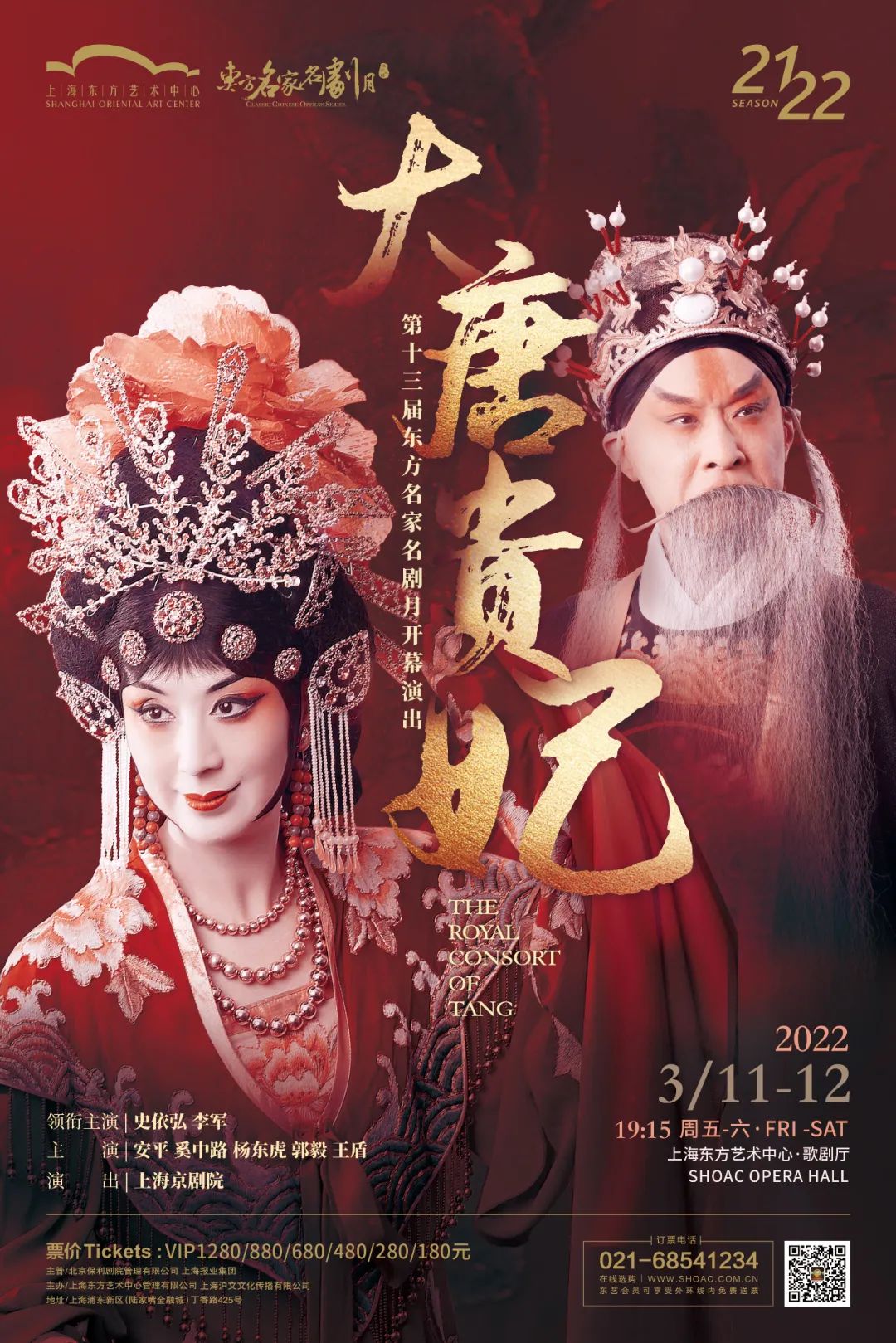
Yang Yuhuan
Introduction
Yang Yuhuan (719-756), also known as Yang Guifei, was a highly celebrated imperial consort during the Tang Dynasty (618-907) in China. Known for her extraordinary beauty and celebrated as one of the Four Beauties of ancient China, Yang Yuhuan's life story is an enduring tale of romance and tragedy that has captivated the Chinese imagination for centuries. Her life and untimely demise are subjects of numerous literary works, operas, and historical accounts, reflecting her significant impact on Chinese culture and history.
Historical Context
Yang Yuhuan was born in the year 719 during the Tang Dynasty, an era often regarded as a high point in Chinese civilization, characterized by cultural prosperity, artistic achievement, and political stability. Her early life is shrouded in mystery, but she rose to prominence when she became the beloved consort of Emperor Xuanzong, who ruled from 712 to 756. Her beauty and charm captivated the emperor, and she quickly became his favorite concubine.
The Tang Dynasty, during which Yang Yuhuan lived, was marked by its openness to foreign cultures and influence, trade along the Silk Road, and a flourishing of arts and literature. This period of prosperity allowed for the lavish lifestyle that Yang Yuhuan is often associated with in historical accounts.
Life as an Imperial Consort
Yang Yuhuan was initially married to Li Mao, the Prince of Shou and Emperor Xuanzong's eighteenth son. However, her beauty caught the attention of Emperor Xuanzong, who eventually summoned her to the imperial court. She entered the court as a Taoist nun to avoid formal scandal and was later elevated to the position of Guifei, the highest rank for an imperial consort.
In her role as Guifei, Yang Yuhuan enjoyed unprecedented favor and influence in the court. She was known for her artistic talents, particularly in music and dance. Her presence at the court also brought her family considerable power and wealth, which, in time, contributed to her downfall.
The Tragic Love Story
Yang Yuhuan's relationship with Emperor Xuanzong is remembered as one of the most famous love stories in Chinese history. Their romance became the subject of numerous poems and songs, most notably "The Song of Everlasting Sorrow" by the renowned Tang poet Bai Juyi. The poem eloquently narrates the intense love between Yang and the emperor, as well as the sorrow of their separation.
Political tensions and a growing discontent among the populace led to the outbreak of the An Lushan Rebellion in 755. As the rebel forces advanced toward the capital, Chang'an (modern-day Xi'an), Emperor Xuanzong and his retinue, including Yang Yuhuan, were forced to flee. During the retreat, soldiers blamed Yang Yuhuan and her family for the empire's woes, and she was executed at Maweipo in 756.
Cultural Legacy
Yang Yuhuan's tragic story has left a lasting legacy in Chinese culture. Her life has been immortalized in various art forms, including traditional Chinese opera and modern adaptations such as Peking Opera. The story of Yang Yuhuan and Emperor Xuanzong has inspired countless works of literature and stage productions, highlighting themes of love, beauty, and the transient nature of human life.
In Peking Opera, notable performances include "The Royal Consort of Tang," which was popularized by the legendary Peking Opera performer Mei Lanfang in the early 20th century. This opera not only focuses on Yang's beauty and grace but also explores the emotional depth of her relationship with Emperor Xuanzong.
The story of Yang Yuhuan also features prominently in other cultural expressions, such as the Kunqu Opera "The Palace of Eternal Youth," further demonstrating her enduring influence. This opera explores the themes of love and loyalty, set against the backdrop of the Tang Dynasty's decline, and has been performed for centuries.
Conclusion
Yang Yuhuan remains an iconic figure in Chinese history and culture. Her life as an imperial consort, her tragic love story with Emperor Xuanzong, and her cultural legacy continue to captivate audiences and inspire artists across generations. Through literature, opera, and modern adaptations, Yang Yuhuan's story is celebrated as a timeless tale of beauty, romance, and tragedy, reflecting the rich tapestry of Chinese cultural heritage.








